Over the years, I have been committed to discussing the realities of deficient and deteriorated conditions in public schools, and describing how to best and most effectively assess and improve crumbling school buildings.
As students across Pennsylvania head back to school this week, a sobering new report reveals that the facilities they’re learning in are far from healthy–and why the ABCs are more necessary than ever.
Philadelphia City Council held a hearing on lead testing in schools. This is the result of significant research and advocacy by the Philadelphia Health Schools Initiative (PHSI), one of the Healthy School Building efforts.
What condition is your neighborhood school building in?Does it have any asbestos? Any rusting pipes? How old is the roof?And if you can’t answer these questions off the top of your head–because who can, really?–do you know where you would go to find the answers?
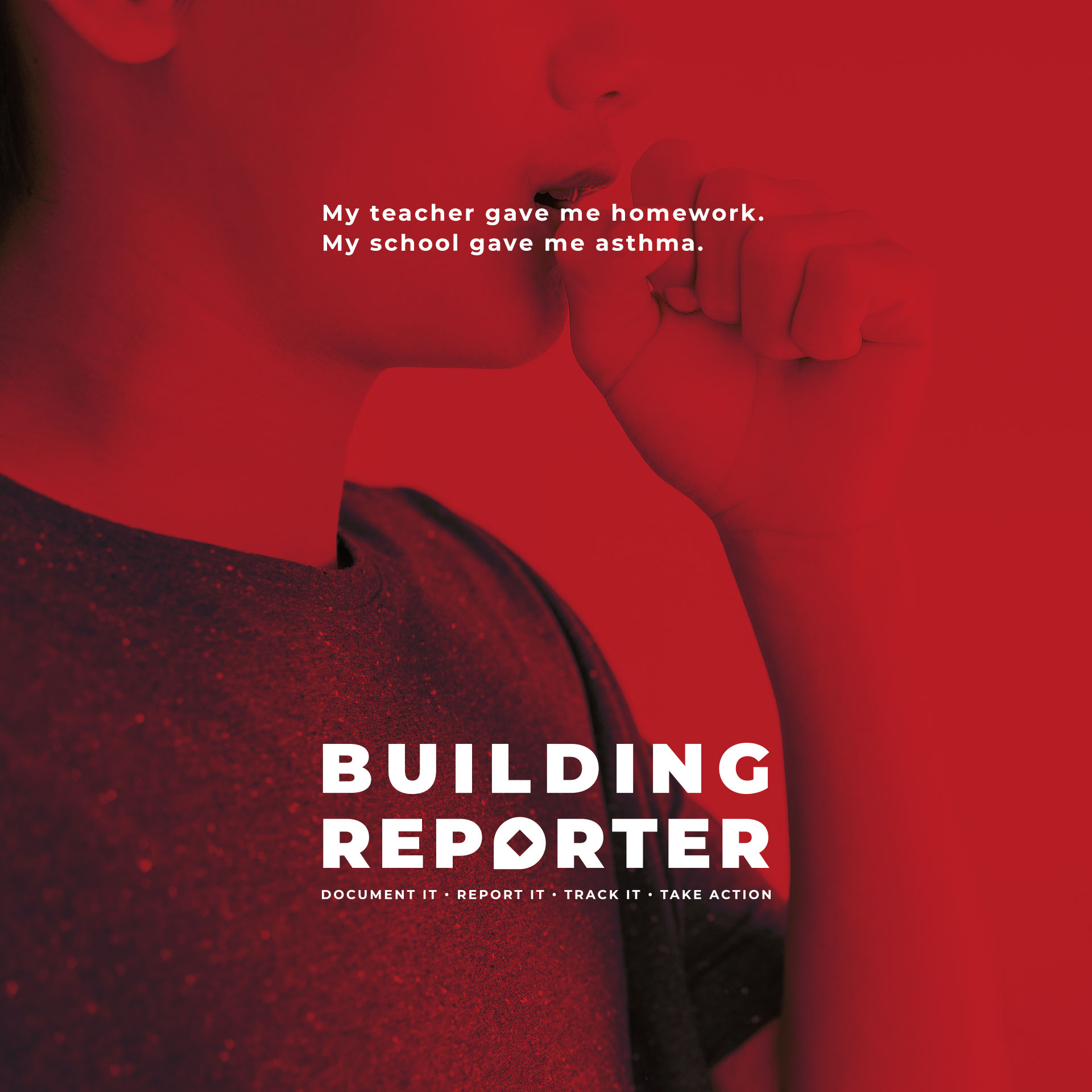
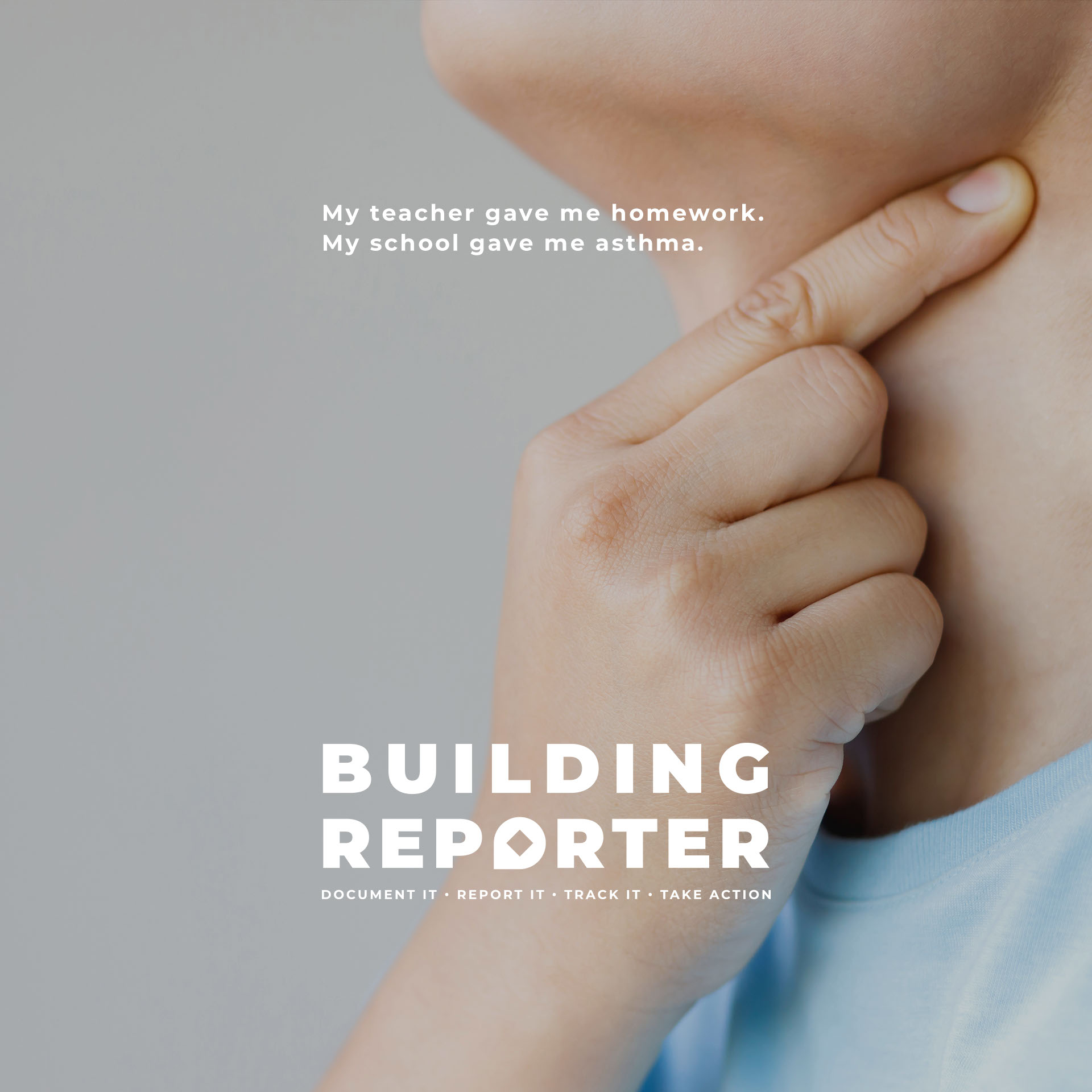
From deteriorating infrastructure to poor air quality, failing school facilities can have a profound effect on student performance—which is why it’s crucial to understand how these hazards can hinder our children’s education. This article breaks down exactly why toxic facilities keep students from making the grade.
Many of the most toxic conditions in schools can’t be easily seen with the naked eye. In fact, there are invisible hazards lurking within school facilities that can have a significant impact on our children’s health and well-being.
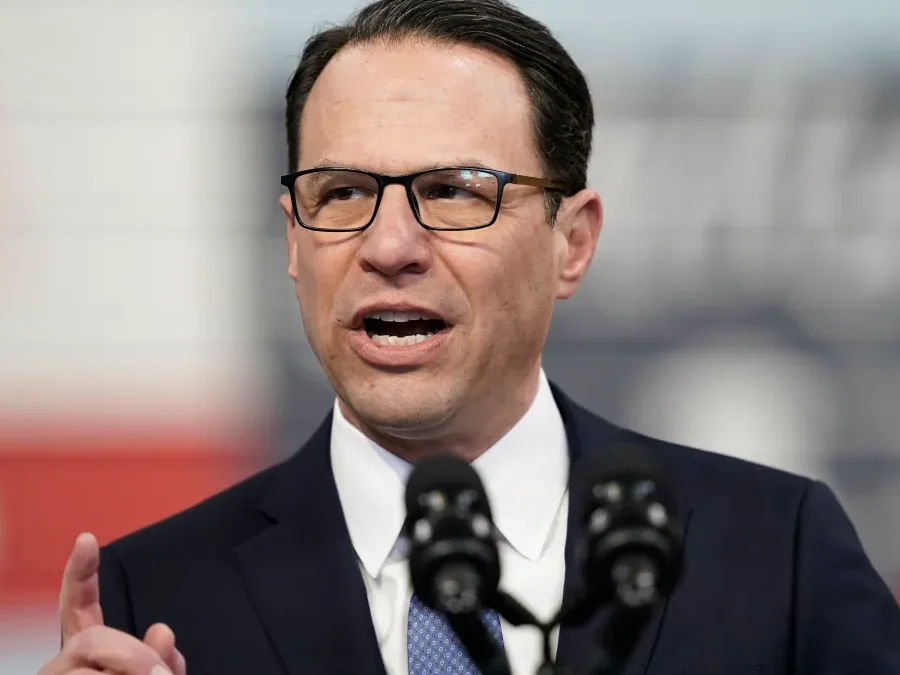
Governor Shapiro went on to acknowledge the crumbling reality of school facilities in the commonwealth of Pennsylvania.
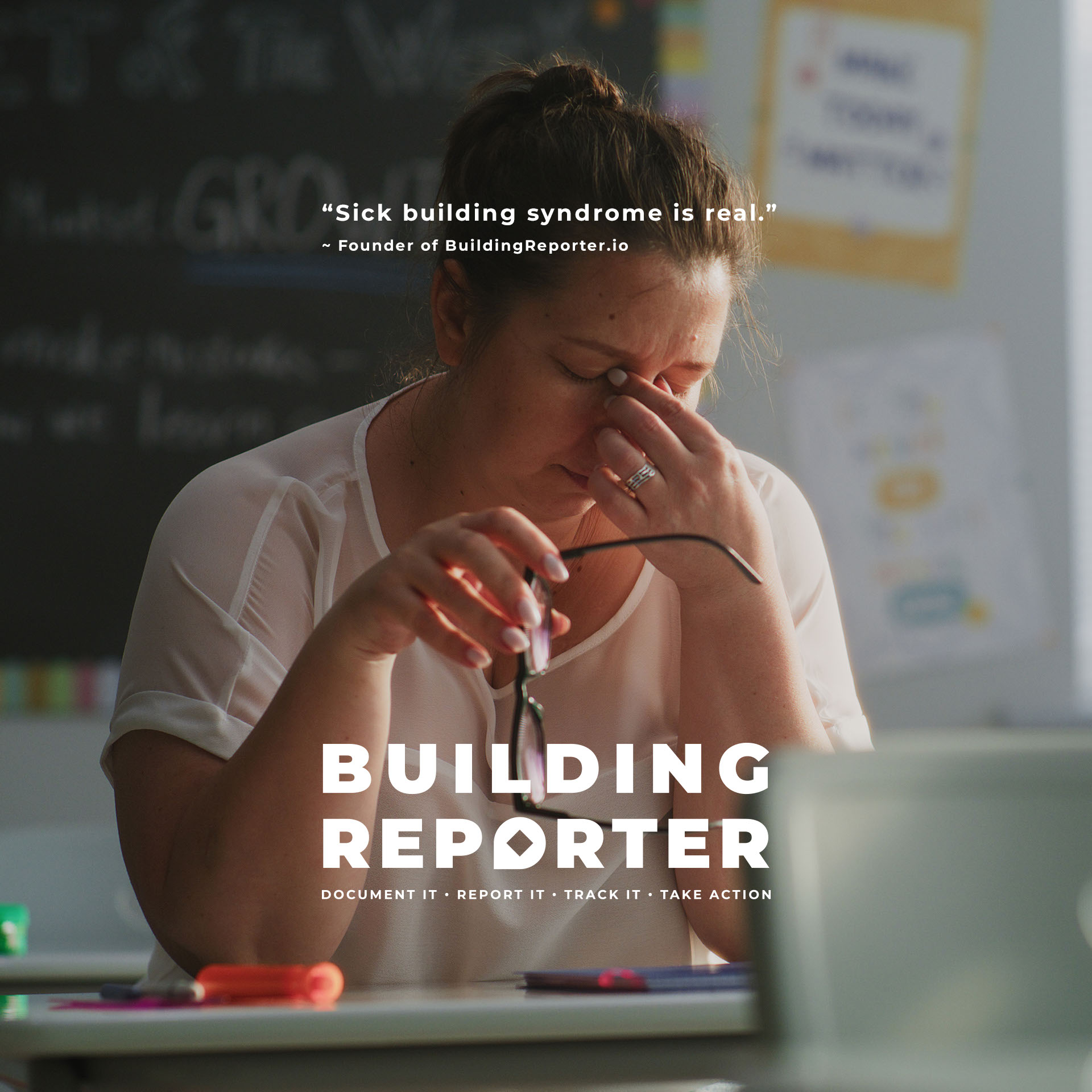
Discusses the cascading–and consequential–impacts of inadequate school building facility conditions on education and learning, as well as student and staff health, and public trust in our educational system.
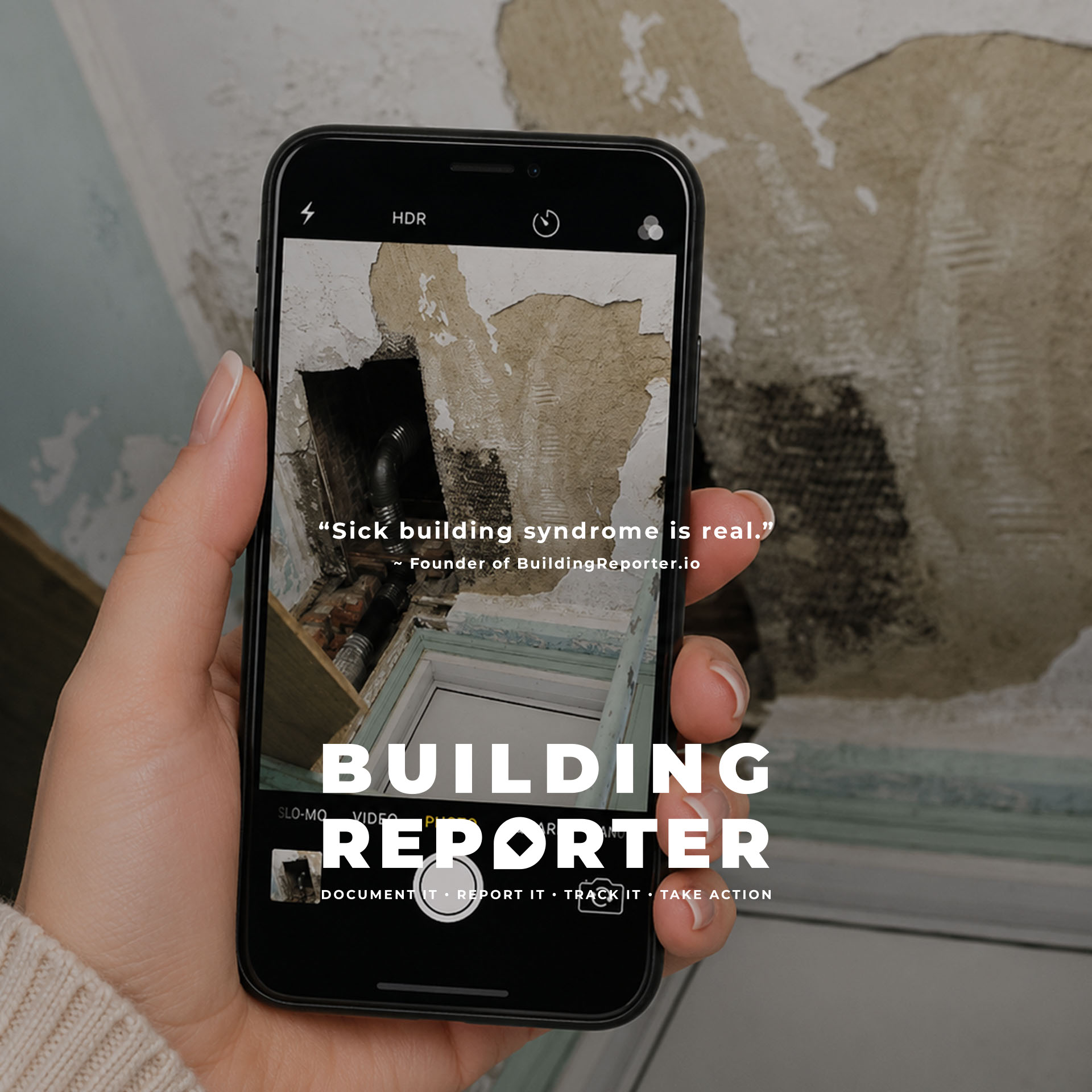
A new platform that represents a significant leap forward in our ability to understand, report, and act on the “comprehensive” conditions of our school buildings.